Best Erp For Construction Companies
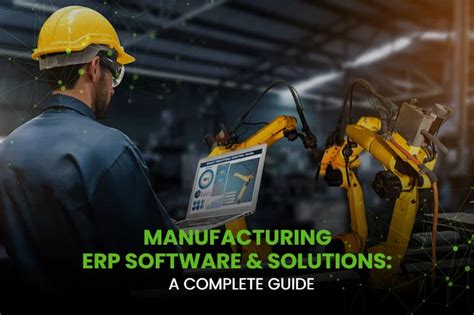
The Top ERP Systems for Construction Companies
Are you a construction company looking to streamline your operations and improve efficiency? Choosing the right ERP system can make all the difference. With so many options available, it can be overwhelming to find the perfect fit for your business. In this article, we will explore the top ERP systems that are tailored specifically for construction companies, helping you make an informed decision that will benefit your company in the long run.

Efficient project management with ERP software
Project management is a crucial aspect of any construction company, as it involves overseeing multiple tasks, timelines, budgets, and resources. With the help of ERP software specifically designed for construction companies, project management becomes more efficient and streamlined. ERP software integrates various aspects of project management, such as planning, scheduling, budgeting, and resource allocation, into one centralized system.
One of the key benefits of using ERP software for project management in the construction industry is the real-time visibility it provides. Project managers can easily track the progress of each project, monitor timelines, and identify any potential delays or issues that may arise. This real-time visibility allows for better decision-making and the ability to quickly address any issues before they escalate.
In addition to real-time visibility, ERP software also provides construction companies with the ability to automate and streamline various project management processes. Tasks such as scheduling, resource allocation, budgeting, and reporting can all be automated through ERP software, saving time and reducing the chances of manual errors. With these processes streamlined, project managers can focus on more important aspects of their job, such as problem-solving and decision-making.
Another advantage of using ERP software for project management in construction companies is the ability to access project data from anywhere, at any time. With cloud-based ERP solutions, project managers can access project information remotely, whether they are on site, in the office, or working from home. This level of flexibility and accessibility ensures that project managers are always informed and can make decisions in real-time, regardless of their location.
Furthermore, ERP software for construction companies often includes features such as resource management tools, cost tracking, and reporting capabilities. These features allow project managers to easily allocate resources, track costs, and generate reports that provide insights into the performance of each project. By having all of this information readily available in one centralized system, project managers can make more informed decisions and ensure that projects are completed on time and within budget.
In conclusion, ERP software plays a crucial role in enhancing project management effectiveness in construction companies. By providing real-time visibility, automating processes, and offering accessibility from anywhere, ERP software empowers project managers to make informed decisions and effectively oversee their projects. With the right ERP solution in place, construction companies can improve project efficiency, reduce costs, and increase overall profitability.
Streamlining construction operations with ERP systems
ERP systems have revolutionized the way construction companies operate by streamlining various aspects of their operations. From project management to supply chain management, ERP systems provide an integrated platform that can enhance efficiency, productivity, and profitability. Here are some ways ERP systems can help construction companies streamline their operations:
1. Project Management: One of the key features of ERP systems is their ability to centralize project management tasks. Construction projects involve numerous moving parts, including timelines, budgets, resources, and deadlines. ERP systems can help project managers keep track of all these aspects in one place, allowing for better coordination and communication among team members. With real-time updates and reporting tools, project managers can monitor progress and address any issues that may arise quickly.
2. Resource Allocation: ERP systems can help construction companies optimize resource allocation by providing a clear overview of all available resources, including equipment, materials, and labor. By automating resource management tasks, such as scheduling and inventory tracking, construction companies can reduce waste, minimize delays, and improve overall project efficiency. For example, if a particular piece of equipment is not being used efficiently, ERP systems can flag this issue and suggest alternative ways to allocate resources more effectively.
3. Supply Chain Management: Another area where ERP systems excel is in supply chain management. Construction projects rely on timely delivery of materials and equipment to stay on schedule and within budget. ERP systems can streamline the procurement process by automating purchase orders, tracking deliveries, and managing supplier relationships. By integrating supply chain management into the ERP system, construction companies can reduce lead times, improve cost control, and avoid costly delays due to material shortages.
4. Compliance and Risk Management: Construction projects are subject to various regulations and compliance requirements, which can be challenging to navigate without the right tools in place. ERP systems can help construction companies stay compliant by integrating compliance monitoring into their daily operations. From tracking safety protocols to managing permits and licenses, ERP systems provide a centralized platform for staying on top of regulatory requirements. Additionally, ERP systems can help construction companies identify and mitigate risks through real-time data analysis and reporting tools.
Overall, ERP systems offer construction companies a comprehensive solution for streamlining their operations and improving overall efficiency. By centralizing project management, optimizing resource allocation, streamlining supply chain management, and enhancing compliance and risk management, ERP systems can help construction companies stay competitive in a rapidly evolving industry.
Enhancing productivity through ERP solutions for construction companies
Construction companies face various challenges in managing their projects effectively, from tracking expenses to managing personnel and resources. Implementing an ERP solution tailored to the construction industry can significantly enhance productivity and streamline operations. Here are some ways ERP solutions can help construction companies improve efficiency:
1. Centralized project management
ERP systems provide construction companies with a centralized platform for managing all aspects of their projects. From project planning and scheduling to budgeting and resource allocation, ERP solutions allow project managers to oversee every detail in one place. This eliminates the need for multiple spreadsheets and manual tracking processes, saving time and reducing the risk of errors.
2. Real-time data access
One of the key benefits of ERP solutions for construction companies is real-time access to critical project data. With all information stored in a centralized database, project managers can easily track progress, monitor expenses, and make informed decisions on the fly. This real-time visibility enables teams to address issues promptly and adjust project plans as needed, leading to more efficient project execution.
3. Streamlined communication and collaboration
Effective communication is essential for successful project management in construction. ERP systems offer features that facilitate communication and collaboration among team members, subcontractors, and stakeholders. Through integrated messaging tools, document sharing capabilities, and project dashboards, ERP solutions enable seamless communication and foster collaboration across all project phases.
Furthermore, ERP systems help streamline workflows by automating routine tasks such as approvals, notifications, and reporting. By reducing manual interventions, construction companies can accelerate project timelines, minimize delays, and improve overall productivity. Additionally, automated workflows ensure consistency and adherence to project standards, leading to higher-quality deliverables.
4. Enhanced resource optimization
Resource management is a critical aspect of construction project success. ERP solutions provide construction companies with comprehensive tools for tracking and optimizing resources, including equipment, materials, and manpower. By effectively managing resource allocations and scheduling, construction companies can minimize idle time, avoid overbooking, and maximize resource utilization. This leads to cost savings, improved productivity, and better project outcomes.
5. Data-driven decision-making
ERP systems empower construction companies with valuable insights derived from data analytics. By generating reports and performance metrics, ERP solutions help project managers make informed decisions and identify areas for improvement. Data-driven decision-making enhances project visibility, fosters accountability, and drives continuous process improvement. With ERP solutions, construction companies can leverage data to optimize project performance, mitigate risks, and achieve better business outcomes.
In conclusion, ERP solutions offer construction companies a powerful framework for enhancing productivity and efficiency. By centralizing project management, providing real-time data access, streamlining communication and collaboration, optimizing resources, and enabling data-driven decision-making, ERP systems help construction companies overcome challenges, improve project outcomes, and achieve sustainable growth.
Choosing the right ERP platform for your construction business
When it comes to choosing the right ERP platform for your construction business, there are several factors to consider. The first step is to determine your business needs and goals. Consider what features are most important to you, such as project management tools, accounting capabilities, or document management systems. It’s also important to think about the size and complexity of your projects, as well as the number of users who will need access to the system.
Once you have a clear understanding of your needs, it’s time to start researching ERP platforms. There are many options available on the market, so it’s important to do your homework and compare different systems. Look for platforms that are specifically designed for the construction industry, as they will have features and functionality tailored to your needs.
When evaluating ERP platforms, consider factors such as ease of use, scalability, and integration capabilities. Make sure the platform is customizable to meet your specific business requirements, and that it can grow with your business as it expands. Integration with other systems and software is also key, as it can streamline processes and improve overall efficiency.
Another important consideration when choosing an ERP platform is the level of customer support and training offered. Look for a vendor that provides comprehensive training for your team, as well as ongoing support to help you get the most out of the system. A good vendor will also offer regular updates and improvements to keep your system up-to-date and functioning smoothly.
Finally, don’t forget to consider the cost of the ERP platform. While it’s important to stay within your budget, remember that investing in a high-quality system can save you time and money in the long run. Look for a platform that offers a good balance of features and affordability, and consider the return on investment that you can expect from implementing the system.
Benefits of integrating ERP in construction company workflows
Construction companies face unique challenges in managing their operations efficiently. With the complex nature of construction projects, it is crucial for companies to have systems in place that can streamline processes and improve overall productivity. One way that construction companies can achieve this is by integrating an Enterprise Resource Planning (ERP) system into their workflows. Here are some of the key benefits of integrating ERP in construction company workflows:
1. Streamlined communication: ERP systems allow for better communication among different departments within a construction company. With all information stored in one centralized database, employees can easily access and share data in real-time, leading to improved collaboration and decision-making.
2. Improved project management: ERP systems provide construction companies with a comprehensive view of project costs, timelines, and resources. This allows project managers to make better-informed decisions, allocate resources more effectively, and track progress more accurately. This ultimately leads to better project outcomes and increased profitability.
3. Enhanced financial management: By integrating ERP into their workflows, construction companies can streamline their financial processes, including budgeting, invoicing, and payroll. This leads to improved cash flow management, reduced financial errors, and better overall financial health for the company.
4. Increased efficiency: ERP systems automate many time-consuming tasks, such as data entry, reporting, and scheduling. This frees up employees to focus on more strategic tasks, leading to increased efficiency and productivity across the organization. Additionally, the centralized nature of ERP systems makes it easier for employees to find information quickly and make informed decisions.
5. Better risk management: ERP systems help construction companies identify and mitigate risks more effectively. By providing real-time data on project performance, costs, and timelines, ERP systems allow companies to identify potential issues early on and take proactive measures to address them. This can help construction companies avoid costly delays, errors, and disputes, ultimately leading to smoother project delivery and improved client satisfaction.
Originally posted 2025-12-24 13:18:57.